Our storyAbout St Michael & All Angels
A warm, welcoming, open church.
We are a committed and faithful congregation, small but always open to embracing change, and inspired by the lessons of the past. Our services range from traditional Holy Communion through to Lay led, less formal services, and everything in between and we especially enjoy joining together with the other parishes on Benefice Sundays.
Despite our size, St Michael and All Angels seeks to give the warmest of welcomes, from a congregation who worship together to get to know God better at every stage of the Christian journey.
We are a mission-focused parish, sharing God's love through pancake parties, harvest meals, breakfasts and monthly coffee mornings, as well as celebrating the rural festivals through the year. We have a particular interest in supporting charities with a local connection.
Among a wide variety of church activities and events, we especially enjoy hosting the Benefice Easter sunrise service each year, finishing with breakfast in the church. The Posada travels around the parish and beyond during Advent.
A little history
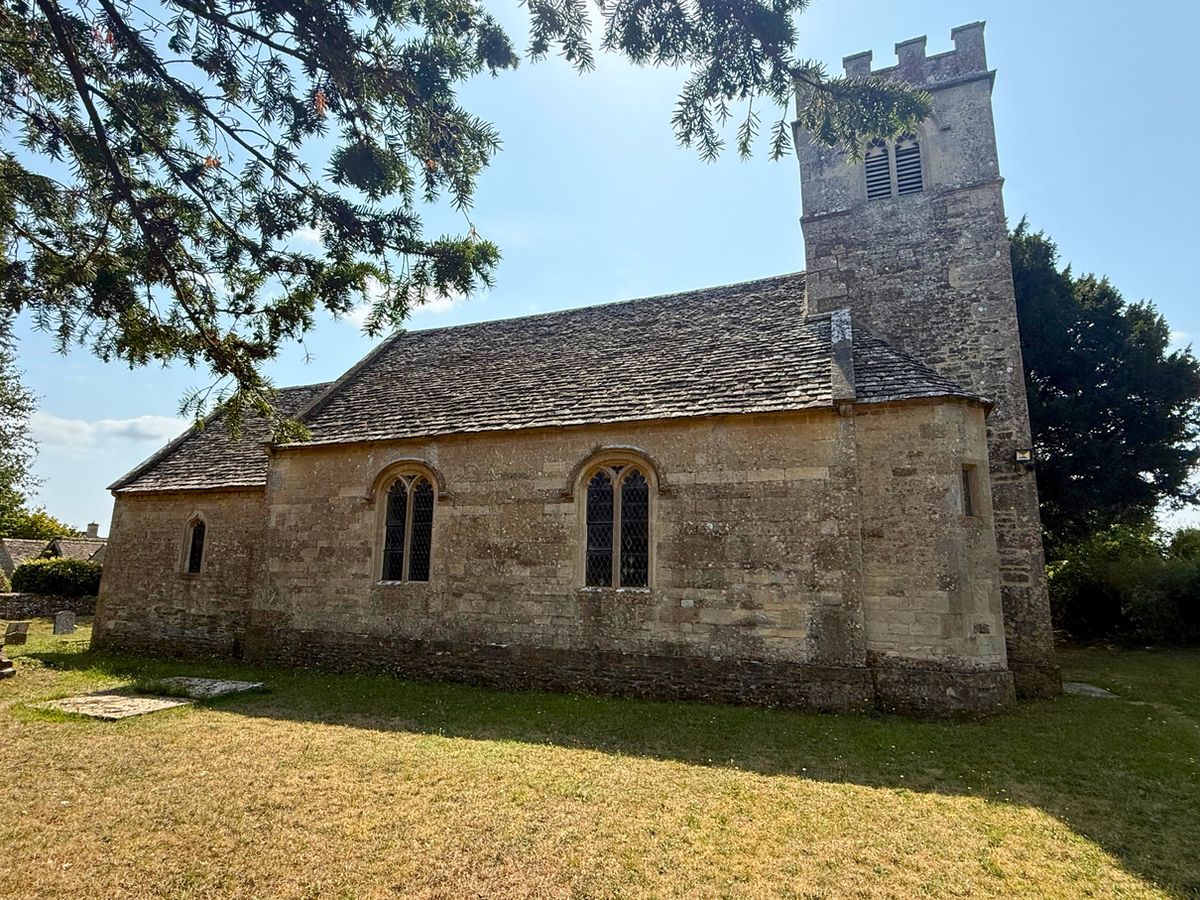
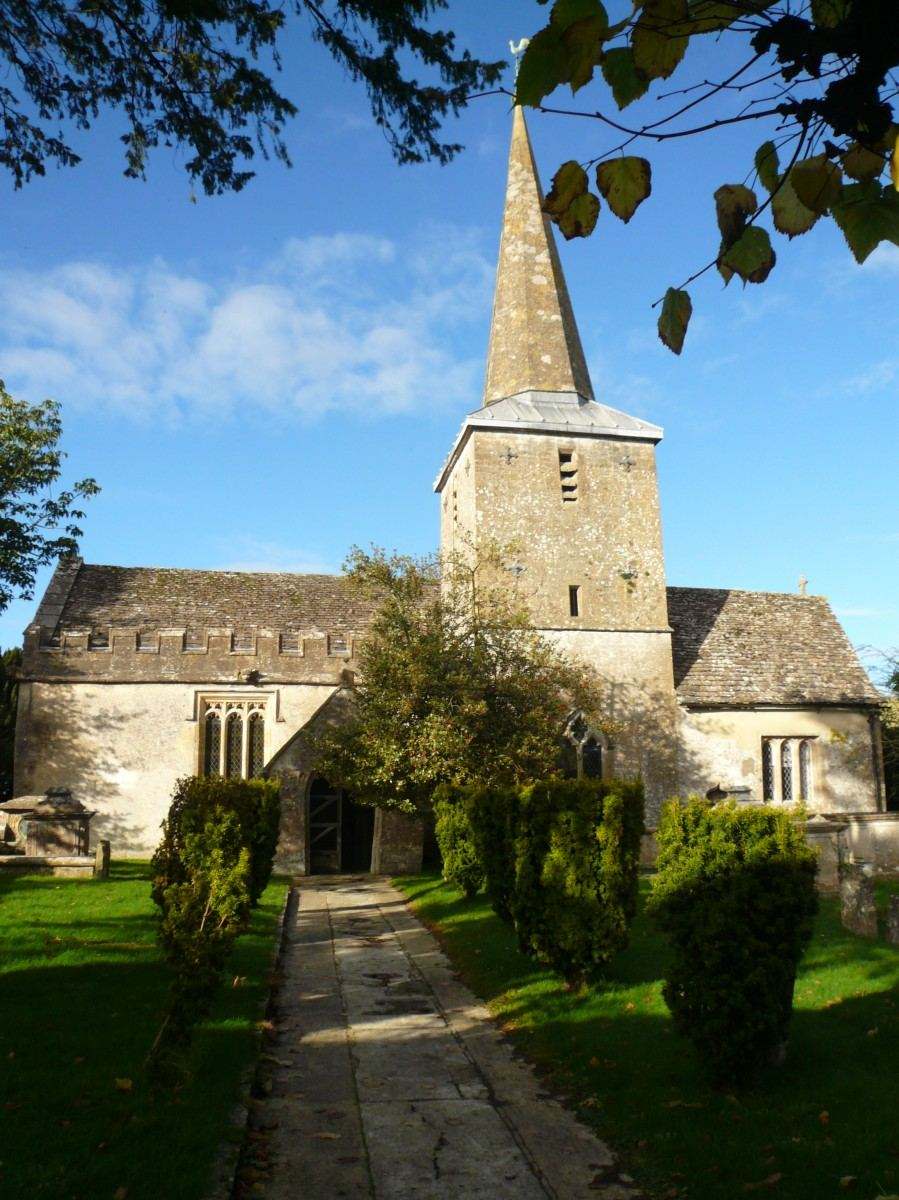
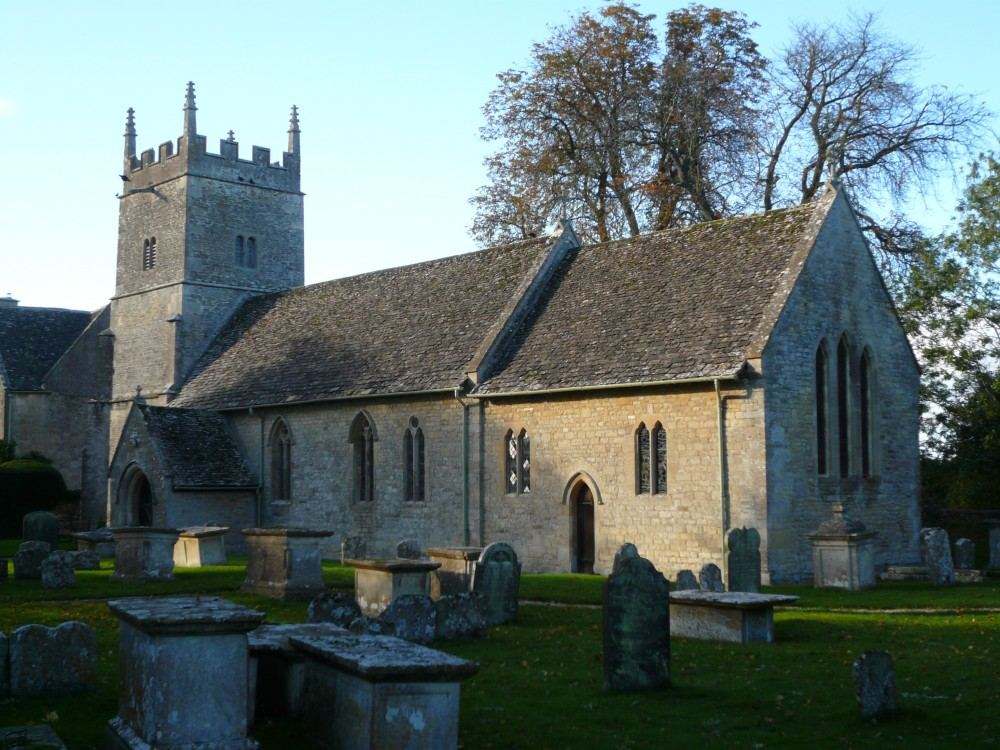
There has been a church in Poole Keynes for more than 700 years; the first recorded Rector was William Beneyt. The present building was consecrated in 1399 and largely rebuilt in 1775, the date carved on a stone in the tower, though much of the western tower is original. It is one of 42 churches in the patronage of the Duchy of Lancaster.
Look out for
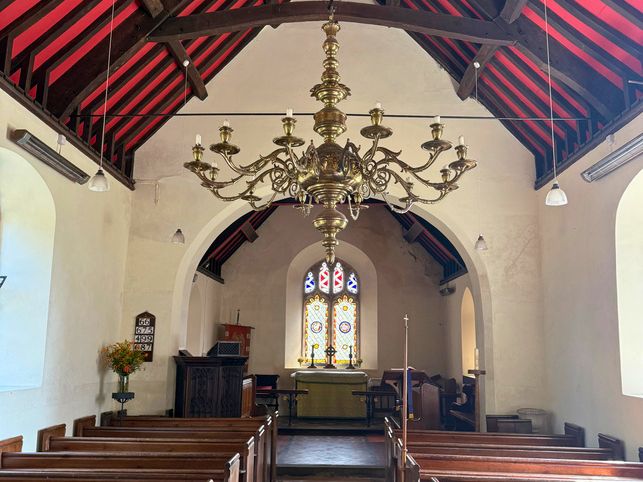
- The magnificent candelabrum (W Taylor of Worcester, 1740), which holds 12 candles. It was a Christmas gift to the village in 1849 from the Vicar, Charles Avery Moore, and reads: “Sorrow, gloom and trials prevail, but Consolation in Christ abounds.” It is lit at least once a year for the village carol service
- The pews (WH James, 1874)
- Striking remains of monuments mounted in the walls, including the heads of seven women in Elizabethan dress
- A fragment of a heraldic coat of arms with a prominent stag's head, on the north wall beside the organ
- The list of patrons and clergy, complete from 1299
- The 17th-century Myles family monument in the porch
- The 1645 John Plat inscription on the chancel